
Latest Funding Opportunity Guides
Choose Your Area of Innovation:
Or search the full Non-Dilutive Funding Opportunities Database
Advanced Materials & Manufacturing
Aerospace & Spacetech
Agtech & Foodtech
Artificial Intelligence & Machines Learning
Biotech
Cleantech & Climatetech
Cybersecurity
Defensetech & Dual-Use Tech
eXtended Reality
Healthtech
Medtech
Other Tech
Quantum & Photonics
Robotics & Autonomous Systems
Army Advanced Manufacturing (AdvM) Commercial Solutions Opening W9124P26SC001: Complete Guide for Startups
Deadline: Open until canceled (Calls for Solutions have short individual deadlines)
Funding Award Size: Not published (firm-fixed-price awards)
Description: The Army Advanced Manufacturing CSO accepts white papers on 18 capability gap areas at any time, from robotics and additive manufacturing to predictive maintenance. See what it buys, how to submit, and how to prepare for short Calls.
Executive Summary
The Army Advanced Manufacturing (AdvM) Commercial Solutions Opening asks for innovative commercial solutions that establish and advance manufacturing capability across the Army's Organic Industrial Base (OIB) and out to the tactical edge.
The CSO was first issued on July 15, 2026. Amendment 1 was posted on SAM.gov on August 27, 2026. It is an umbrella CSO with no deadline, and the document says it "will remain open and accept submissions continuously" until the Army cancels it.
Companies can respond in two ways:
- General submission. Submit at any time against one of 18 Active Capability Gap (ACG) areas of interest.
- Call for Solutions. Respond to a specific Call, which addresses a defined need and has its own short deadline.
Phase 1 is a one-page quad chart and a five-page white paper sent by email. Awards are firm-fixed-price only.
For a startup with a commercial manufacturing, automation, inspection or industrial software product, this is one of the broadest Army entry points open right now. The main thing to understand: a general submission gets you on file, and a Call usually means the Army has already identified a specific need.
Army AdvM CSO at a Glance
- Solicitation number: W9124P26SC001 (W9124P-26-S-C001), Amendment 1
- Issuing office: Army Contracting Command-Redstone Arsenal (ACC-RSA), Redstone Services and Information Technology Solutions Branch
- Customer: Headquarters U.S. Army Materiel Command (HQ AMC)
- Status: Open in perpetuity until canceled. Individual Calls for Solutions carry their own deadlines.
- Authorities:
- The CSO document cites Section 803 of the FY2022 NDAA.
- The SAM.gov notice also lists 10 U.S.C. § 3458 with DFARS RFO 212.70, 10 U.S.C. § 4022 prototype OTs, RFO 6.101(b)(3), and the Employee Stock Ownership Pilot Program.
- Areas of interest: 18 Active Capability Gap areas, and the CSO "is open to any novel advanced manufacturing solution"
- Phase 1 submission: One-page quad chart plus white paper of up to five pages, emailed as two separate PDFs
- Award type: Firm-fixed-price only, per DFARS RFO 212.7002(b)
- Instruments: RFO Part 12 purchase orders and BPAs, Part 12 and 15 contracts, Part 16 IDIQs and BOAs, or prototype OTs under 10 U.S.C. § 4022
- Eligibility: Industry, academia and nontraditional partners. Small businesses are generally nontraditional defense contractors under 10 U.S.C. § 3014. Active SAM.gov registration is required for award.
- Submission and questions: usarmy.redstone.acc.mbx.acc-rsa-advm-cso@army.mil (primary POC on SAM.gov: Stephanie Dillon)
The 18 Active Capability Gap Areas
The CSO says it is open to any novel advanced manufacturing solution. It names these 18 areas of particular interest:
- Robotics and Automation. Automating manual manufacturing and depot maintenance processes, such as robotic welding, automated material handling and cobots for assembly.
- Additive Manufacturing. On-demand polymer, metal or composite parts, including large-format and multi-material printing and quality assurance and certification for critical components.
- Advanced Materials. High-strength alloys, composites, self-healing materials and other materials that improve performance, weight or corrosion resistance.
- Digital Twin and Digital Thread. Virtual models of assets and processes for predictive maintenance, process optimization and lifecycle management.
- Smart and Connected Factories (IIoT). Sensors, analytics and IIoT to monitor equipment health, track production and optimize the factory floor.
- Advanced Non-destructive Testing and Inspection. Advanced ultrasonics, thermography, automated computer-aided inspection and similar methods.
- Workforce Development and Manufacturing Skills. Training material, concepts or methods for a digital manufacturing workforce.
- Supply Chain Risk Management. Tools to identify and address strategic manufacturing value chain vulnerabilities in the defense industrial base.
- Cybersecurity. Tools to build DoW Risk Management Framework requirements into processes, product design and documentation.
- Enterprise Data Integration. A centralized AdvM data repository for qualified part data, technical data packages and IP, with data exchange with the Defense Logistics Agency.
- AdvM at the Tactical Edge. The right mix of AdvM capability in expeditionary and tactical environments, including point-of-need solutions.
- Army AdvM Consortium. Managing an alliance of government, industry, nonprofits and academia to qualify AdvM vendors, processes and parts.
- OIB and AdvM Innovation Centers. Machines, tooling, technology and talent for a network of innovation hubs.
- Metrology. Advanced measurement systems, such as optical or blue light scanning, to verify machines and parts meet tolerances.
- Qualification and Certification. Technologies and methods to qualify and certify manufacturing processes and parts.
- Advanced Electronics Manufacturing. Flexible hybrid electronics and additively manufactured electronics.
- Advanced Coatings and Surface Engineering. Coatings and surface modifications for durability, corrosion resistance, thermal management and signature management.
- Predictive Maintenance Analytics. AI and machine learning models that predict component failures, optimize maintenance schedules and forecast sustainment needs.
The CSO's general invitation to "any novel advanced manufacturing solution" acts as a catch-all beyond these named areas.
Not sure which area your technology fits, or whether it fits at all? We can tell you on a short call.
What Recent Calls for Solutions Looked Like
The CSO says the Army "may issue specific 'Calls for Solutions' as amendments" to address focused gaps. In practice, recent Calls were posted as separate SAM.gov notices titled "AdvM Call for Solutions" and linked from the CSO page:
- Modern Radar Systems Organic Capability Development (PANRSA-26-P-0000-039852): closed August 14, 2026.
- Expeditionary Additive Manufacturing (EAM) Systems (PANRSA-26-P-0000040885): posted August 24, due August 31 at noon CT. Seven days to respond.
- Modernized Paint Line at Tobyhanna Army Depot (PANRSA-26-P-0000-040601): posted August 27, due September 16 at noon CT after amendment. The Army asked for a complete system: hardware, automated parts handling and open-architecture SCADA software for paint application, curing and shop operations.
- Automated Parts Handling for Plating at Tobyhanna Army Depot (PANRSA-26-P-0000-040599): posted August 27, due September 16 at noon CT after amendment.
No AdvM Call was active on SAM.gov as of October 1, 2026.
Two lessons stand out. The windows are short: seven days at the low end, about three weeks with extensions. And the Calls can ask for an integrated, working system. A startup that owns one piece of that system may be better positioned as a supplier or teammate to an integrator.
The SAM notice also says RFIs posted under the CSO are for market research only, and the government has no obligation to follow one with a Call.
How the Three-Phase Process Works
Phase 1: White paper and quad chart. You submit both as two separate PDFs by email to usarmy.redstone.acc.mbx.acc-rsa-advm-cso@army.mil. Use the subject line "CSO Submission – Advanced Manufacturing – [Your Company Name]". Content past the page limits will not be read.
The quad chart is one page and follows Attachment 1. Its four quadrants are:
- Objective and Description: objective, description of effort and commerciality.
- Graphic or Illustration.
- Benefits and Challenges: benefits, challenges and current maturity (TRL/MRL).
- Execution Plan: milestones, deliverables, proposed funding, period of performance and contact information.
The white paper follows Attachment 2: up to five pages, 8.5 x 11 inches, one-inch margins, single-spaced, 12-point Times New Roman. It has eight sections:
- Project title, offeror, and area of interest or Call number
- Executive summary
- Description of effort, including why it is commercial in nature
- Benefits to the Army
- Technical challenges, with risks and mitigation
- Rough order of magnitude cost and schedule
- Corporate and personnel qualifications
- Data rights
Phase 2: Oral presentation or demonstration. This happens at the government's discretion. Offerors with meritorious white papers may be invited to present or demonstrate to a panel of government subject matter experts. The government may skip Phase 2 and go directly to Phase 3.
Phase 3: Request for Solution Proposal. Offerors who are evaluated successfully may be invited to submit a full written proposal with technical, price and contractual portions. An award may follow a favorable evaluation.
The government does not pay for preparing or submitting documents or presentations in any phase.
How Submissions Are Evaluated
The government first checks compliance with the format rules in Section 4.1 and Attachments 1 and 2. A submission that fails the check may be excluded before technical review.
Submissions are evaluated on their own merit, not against each other. The factors, in descending order of importance, are:
- Technical merit and relevance: applicability to the area of interest or Call, technical feasibility, and potential to enhance Army readiness and manufacturing capability.
- Innovation and uniqueness: how new, underused or uniquely applied the solution is.
- Company viability: relevant corporate experience in advanced manufacturing, industrial operations or commercializing similar technology, plus personnel qualifications and a sound business model.
- Price and affordability.
All non-price factors combined are significantly more important than price.
After Phase 1, every submission gets one of three outcomes:
- Selected for Further Consideration: invited to the next phase.
- Retained for Future Consideration: the submission meets the criteria, and "will be retained in a repository for future consideration into the next phase once a Government need, manpower, and funding is available."
- Not Selected for Further Consideration.
The middle outcome matters most for general submissions. A strong white paper against an area of interest can sit in the repository until a depot need and funding line up.
Funding: What You Can and Cannot Expect
The CSO publishes no award ceiling or funding pool. It states, "Any award is subject to the availability of funds." The government may award some, all or none of the proposals. FY2027 began October 1 under a continuing resolution through December 11, 2026, which can slow new obligations.
The quad chart asks you to state proposed funding and a period of performance. The white paper asks for a rough order of magnitude cost and schedule. A scope the Army can fund and execute quickly is easier to move than a large multi-year program.
Depot modernization CSOs do produce real awards. In March 2026, Red River Army Depot awarded Hadrian $39.2 million, with up to $80 million in cumulative value, to establish advanced automation manufacturing at the depot. That award came through Red River's own OIB modernization CSO, not the AdvM CSO. It is not a ceiling or a typical award size, but it shows how quickly a depot can move once a need and funding align.
Data Rights
The government says it wants only the data rights it needs. Identify any data rights restrictions clearly in the proposal, and use section 8 of the white paper for a preliminary list. Negotiations follow DFARS data and software rights clauses.
How to Prepare Before the Next Call
- Pick one problem. Choose one area of interest and one depot or field problem your technology solves. Describe it in measurable terms: throughput, turnaround time, labor hours, hazardous exposure, scrap, inspection backlog or downtime.
- Build the package to the templates. Follow Attachments 1 and 2 exactly. The compliance check comes before technical review.
- Submit against the general area now. Even a "Retained for Future Consideration" result puts your solution in the repository the Army draws on when a need is funded.
- Make it reusable. Write the package so it can be tailored to a Call within 48 hours. Include the ROM, the period of performance and an implementation plan covering installation, training, cybersecurity and sustainment at a government facility.
- Watch for Calls. Save a SAM.gov search for "AdvM Call for Solutions" and follow W9124P26SC001.
- Decide your role early. If a likely Call needs a full system, line up the integrator or partner now.
- Look at the depot CSOs too. See our guides to the Sierra Army Depot CSO and the Anniston Army Depot CSO.
Frequently Asked Questions
What is solicitation W9124P26SC001? The Army Advanced Manufacturing Commercial Solutions Opening, issued by ACC-Redstone for Headquarters Army Materiel Command, to acquire innovative commercial manufacturing solutions for the Organic Industrial Base and the tactical edge.
What is the deadline? The CSO itself has none. It is open in perpetuity until canceled. Each Call for Solutions has its own deadline, and recent Calls closed between seven days and about three weeks after posting.
Is there an open Call right now? No AdvM Call for Solutions was active on SAM.gov as of October 1, 2026.
What do I submit? A one-page quad chart and a white paper of up to five pages in 12-point Times New Roman, as two separate PDFs, emailed to usarmy.redstone.acc.mbx.acc-rsa-advm-cso@army.mil with the subject line "CSO Submission – Advanced Manufacturing – [Your Company Name]."
How much funding is available? No amount is published. Any award is subject to the availability of funds, and only firm-fixed-price arrangements can be awarded.
Can a startup with no government contracts apply? Yes. The CSO invites industry, academia and other nontraditional partners, and small businesses are generally nontraditional defense contractors. You need an active SAM.gov registration to receive an award.
What happens if my white paper is good but there is no funding? It can be marked "Retained for Future Consideration" and held in a repository until a government need, manpower and funding are available.
Does the government pay proposal costs? No. The government does not pay for preparation or submission in any phase.
Sources
- SAM.gov, Army Advanced Manufacturing (AdvM) CSO, W9124P26SC001, updated August 27, 2026, verified October 1, 2026: https://sam.gov/opp/7f9b0cd559494155a50c7e5af0f11bbd/view
- ACC-RSA, "Commercial Solutions Opening (CSO) Solicitation Number W9124P-26-S-C001 Amendment 1 for Advanced Manufacturing" (attachment on SAM.gov)
- SAM.gov, AdvM Call for Solutions, Expeditionary Additive Manufacturing Systems: https://sam.gov/opp/69a143cc118243b48a82fb5cfea2a3b8/view
- SAM.gov, AdvM Call for Solutions, Modernized Paint Line in SOD: https://sam.gov/opp/ab97e088933e40a5bf2289daed14d4b4/view
- SAM.gov, AdvM Call for Solutions, Automated Parts Handling for Plating in SOD: https://sam.gov/opp/64f3745e095c4cedb8d066f6da1bba33/view
- U.S. Army, "Army accelerates advanced manufacturing with contracting award at Red River," March 18, 2026: https://www.army.mil/article/291165
Get Ready Before the Next Call
AdvM Calls can close in seven days. BW&CO helps deep tech and dual-use founders pick the right area of interest, build a quad chart and white paper that follow the CSO templates, and tailor the package fast when a Call drops. We have helped clients secure more than $350 million in non-dilutive funding.
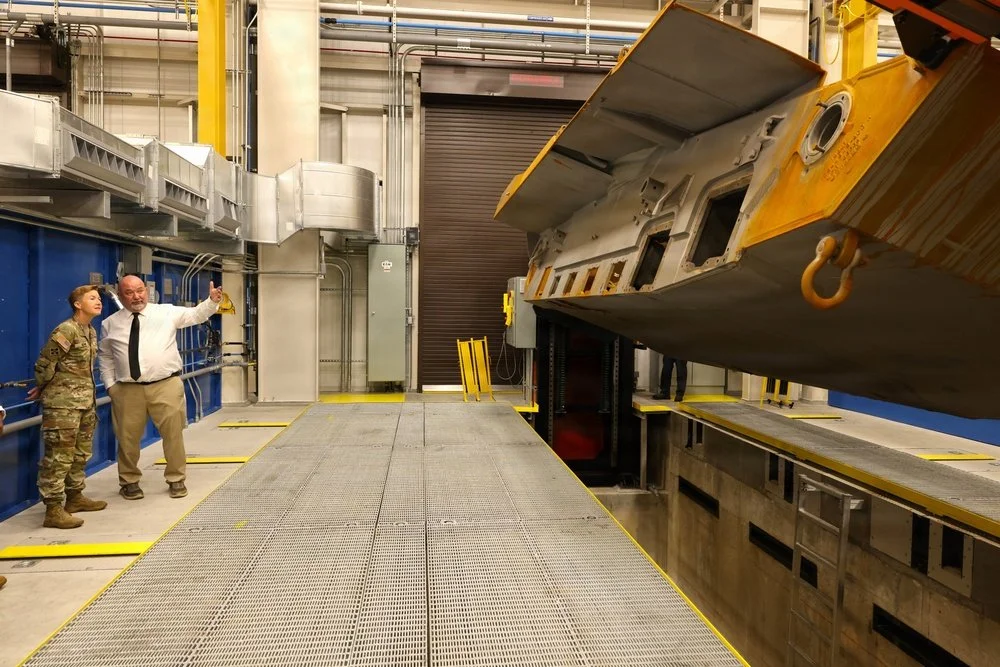
Featured image: U.S. Army photo by Mark Cleghorn. The appearance of U.S. Department of War visual information does not imply or constitute DoW endorsement.
xTech|Phantum Competition (ARM26BX01-NP003)
Deadline: May 6, 2026
Funding Award Size: $300k
Description: U.S. Army xTech Phantum Competition offers small businesses a path to $300K SBIR funding for quantum sensors and photonics. White papers due May 6, 2026.
Below is a brief summary. Please check the full solicitation before applying (link in resources section).
Executive Summary:
The U.S. Army is seeking small businesses developing quantum sensors and photonics technologies through the xTech|Phantum Competition. This is a gated pathway to SBIR funding—only competition winners can submit a Phase I proposal. Companies can earn prize money, engage directly with the Department of War, and position themselves for follow-on SBIR funding.
White paper submission deadline: May 6, 2026
How much funding would I receive?
Phase I SBIR:
Up to $300,000
6-month period of performance
Prize money:
Not specified in the solicitation
What could I use the funding for?
Phase I funding is for feasibility and concept development, including:
Demonstrating technical advantage over existing solutions
Developing concept plans aligned with Army modernization priorities
Providing supporting technical literature and performance data
Building a commercialization strategy (defense and commercial markets)
Creating a technology development roadmap
Delivering a concept demonstration at the end of Phase I
Technology focus areas include:
Quantum sensors and quantum clocks for non-GPS PNT
Quantum RF sensors
Quantum electromagnetic sensors
Photonics for communications and edge processing
Are there any additional benefits I would receive?
Direct engagement with the Department of War (DoW)
Feedback from Army stakeholders to accelerate technology development
Entry into the Army’s Science & Technology ecosystem
Eligibility to submit a Phase I SBIR proposal (only if selected as a winner)
What is the timeline to apply and when would I receive funding?
White paper submission deadline: May 6, 2026
xTech|Phantum competition selection timeline: Not specified
Phase I SBIR award timing: Not specified
Phase I performance period: 6 months
Where does this funding come from?
Assistant Secretary of the Army for Acquisition, Logistics and Technology (ASA(ALT))
U.S. Army Directorate for Strategy & Transformation (DAMI-ST)
Delivered via the xTech|Phantum Competition and Army SBIR program
Who is eligible to apply?
Must participate in the xTech|Phantum competition
Only competition winners are eligible to submit a Phase I SBIR proposal
Additional eligibility requirements are not specified in the provided document.
What companies and projects are likely to win?
The Army is prioritizing companies developing:
Quantum technologies enabling non-GPS positioning, navigation, and timing
Quantum RF sensors with improved sensitivity, bandwidth, and SWaP
Electromagnetic sensors detecting low-power or non-RF signals
Photonics systems for secure, high-speed communications and edge computing
Strong applications will:
Demonstrate clear technical feasibility and differentiation
Show dual-use commercial potential
Align directly with Army modernization priorities
Provide credible pathways to prototype and field deployment
Are there any restrictions I should know about?
Only xTech|Phantum competition winners can submit a Phase I SBIR proposal
Proposals from non-participants or non-winners will not be evaluated
CMMC requirement: Level 1
Other restrictions (e.g., cost share, ownership constraints) are not specified.
How long will it take me to prepare an application?
Not specified in the solicitation
Application requires submission of a white paper by May 6, 2026
How can BW&CO help?
BW&CO can support across both stages of this opportunity:
xTech white paper strategy and drafting
Positioning your technology against Army priorities
Translating commercial tech into defense use cases
Preparing a competitive Phase I SBIR proposal (if selected)
Building commercialization and transition plans aligned with Army expectations
Additional Resources
Army DEVCOM: BAA for CBRNE Defense Efforts Under Procurement Contracts, Cooperative Agreements, and Prototypes under OTAs.
Deadline: Rolling until August 20, 2029
Funding Award Size: $500k -$5m
Description: The DEVCOM CBC Broad Agency Announcement supports CBRNE defense R&D across biosensors, aerosol tech, biodetection, decontamination, protective systems, AI/ML, advanced materials, and related mission areas.
Below is a brief summary. Please check the full solicitation before applying (link in resources section).
Executive Summary:
This is a continuously open Broad Agency Announcement (BAA) from the U.S. Army DEVCOM Chemical Biological Center (CBC) seeking innovative R&D in CBRNE defense. There is no fixed deadline—submissions are accepted on a rolling basis for up to five (5) years.
Founders should act quickly: while submissions are always open, funding availability is uncertain and awards are made competitively as needs arise. Early engagement via preproposals is strongly encouraged.
How much funding would I receive?
Not specified in the solicitation, but typically will lead to awards between $500k - $5m.
Budgets must be commensurate with the scope and complexity of the proposed work
At the time of publication, no funds are specifically allocated, and awards depend on availability of funds
What could I use the funding for?
Funding supports basic research, applied research, and advanced development in CBRNE defense.
MISSION AREAS:
1. SENSOR TECHNOLOGIES AND BIOMATERIALS: DEVCOM CBC is exploring biotechnology concepts in the areas of detection and decontamination of chemical biological (CB) agents, environmental biodegradation and bioremediation, and novel biotic materials. Areas of interest are:
a. Enzymatic systems for the degradation of chemical nerve agents, mustard and toxins, biological warfare agents and related materials, and investigation of self-decontaminating coatings that have enzymatic or biochemical components. Emphasis is on enzymology, protein chemistry, and molecular biology.
b. Investigation of microbial systems, biosurfactants and other natural products for the bioremediation of hazardous wastes including chemical agents, their precursors or products, obsolete decontaminants, and other chemical weapons/warfare (CW) related materials. Emphasis is on bioengineering and fermentation.
c. Nanobiotechnology, principally the rational biomolecular and nano-system design of functional abiotic structures; reconfigurable self-organizing systems; novel nanoparticles; or supramolecular self-assembly; including but not limited to, materials for nanoparticles, nano and meso scale materials fabrication and assembly, and miniaturized devices. Focus is on supporting the Army's zero maintenance efforts and minimizing weight, size, power, and energy requirements.
d. Next generation reagents including, but not limited to, aptamers, polymers, and peptides with novel binding, catalytic or structural properties. Areas of interest include, but are not limited to, gene libraries, tissue based biosensors, molecular signaling and novel transduction techniques.
e. Studies on metabolic engineering, optimizing and modeling bioreactor conditions for the scale-up biomanufacture of recombinant and other proteins in bacterial and insect cell systems. The products include, but are not limited to, recombinant antibodies, enzymes, and simulants. Studies may include optimizing feeding strategies, sterilization kinetics, and other bioreactor parameters to increase yield and decrease cost, as well as cryopreservation.
f. Molecular toxicology with emphasis on gene arrays, specifically the exploitation of recent advances in “panomics"; which refers to genomics, transcriptomics, proteomics and metabolomics, bioinformatics and in vitro approaches such as, but not limited to, cytosensor microphysiometer studies.
g. NOTE: The following in‑house equipment is available for possible use:
(i). Large-scale fermentors and hollow fiber bioreactors.
(ii). Gene array printer.
(iii). Analytical (capillary electrophoresis, gas chromatographs, high pressure liquid chromatographs, UV/visible spectrophotometer, microplate reader, total organic carbon analyzer).
(iv). Protein purification (high‑speed centrifuges, gel electrophoresis, low pressure chromatograph, high pressure liquid chromatographs, cell disruption systems).
(v). Molecular biology (automated DNA sequencing and synthesis, polymerase chain reaction, gel electrophoresis).
(vi). Bacterial culture (autoclaves, incubators, incubator shakers, 1 to 1500 liter fermentation systems, centrifuges, cell disruption systems).
2. AEROSOL TECHNOLOGY: The objective of the aerosol technology program is to develop advanced aerosol sampling devices needed for detection systems, and to provide the necessary experimental facilities, capabilities (instrumentation and personnel), and methodology to support experimentation with aerosol devices for all DEVCOM CBC mission and customer programs, emphasizing bioaerosols in the near term. A major effort under this program involves developing the capability to provide quantitative capability to experiment with biosimulant aerosols including controlled generation (size, low concentrations, high rates for high speed wind tunnel studies), quantification, and characterization of laboratory instruments, field experiments, and military devices. The DEVCOM CBC is interested in innovative concepts to address the following areas of study:
a. Effective, Efficient Aerosol Collectors. Theoretical studies of the design and employment of highly biased aerosol collectors intended to collect particles in the 1 to 10 micrometer diameter size range. Fabrication and delivery of such devices which will collect into a small volume of liquid (1 milliliter), or concentrate into a small volume air stream, aerosol particles from 100 to 10,000 liters per minute using little power (nominally 10 to 20 watts) with collection efficiencies exceeding 80% in the 1 to 10 micrometer particle size range. A goal is to minimize the size and weight of the device.
b. Method of generating narrowly dispersed aerosols (log standard deviation = 1.5) from slurries or bulk powders. Aerosol mass median diameter selectable over the range of 0.2 microns to 45 microns.
c. Investigation of collection efficiency and effects on the viability of biological materials, e.g., Bacillus atrophaeus (BG) and Erwinia herbicola, when collected from the aerosol state by various collection means to include impaction, vortex scrubbing, electrostatic precipitation, and filtration. Research and investigations to develop technologies for sampling viable microbes from the atmosphere to include processes which consider such factors as relative humidity, repair mechanisms, and other environmental considerations which influence the survival of microbes in the open air. A new device that considers these factors will be expected to have a higher survival rate for microbes and a greater efficiency. These investigations will lead towards a new device for sampling environmental air samples.
d. Low energy methods and devices for concentrating suspensions of 1 - 10 micron particles in liquids such as water or phosphate buffered saline from milliliters to microliters with high efficiency for retaining the particles in suspension in the reduced volume.
e. Dissemination of bulk powders into the inherent particle sizes found in the feedstock. Dissemination rates of 10 to 250 grams per minute.
f. Methods for near real-time field sizing of large polydisperse aerosols (20-500 micron operational range) that are disseminated from high volume aerosol generators such as crop dusters or "leaf blower" type devices.
g. Aerosol wind tunnel methodologies for creating well-mixed, spatially and temporally uniform challenges of monodisperse inert aerosols and polydisperse biological simulant aerosols for wind speeds up to 80 miles per hour. Aerosol wind tunnel methodologies for creating temporally uniform challenges of monodisperse liquid droplets that can convey inert and biological simulant aerosols for feed rates up to 50 grams/minute.
h. Design, and/or fabrication, and/or testing of omnidirectional aerosol inlets with aspiration efficiencies greater than 80% for aerosol particles over the aerodynamic diameter size ranges 1 to 10 micrometers (with strong rejection of particles > 10 micrometers) and 1 to 25 micrometers from air flows at wind speeds from 2 to 50 miles per hour. A family of inlets are required covering the internal (aspirated) flow rates from 1 liter per minute to 10,000 liters per minute.
i. New optical methods for characterizing aerosols for CB detection, smoke development, and field test programs. In particular, the use of Mueller matrix scattering and optical spectroscopic signatures from bacterial cells to correlate changes in biological parameters with changes in scattering pattern and optical methods which can be used as aerosol detectors, such as particle scattering, fluorescence, etc.
j. Innovative approaches using computational fluid dynamics to describe the external and internal flow around and through vehicles, detectors, sampling ports, buildings, etc., in the open and in wind tunnels (to include analysis of wall effects). The approach or method can use the finite difference or finite element techniques. The description of the flow field should include streamlines, velocity fields, and pressure distributions and allow for modeling of (size‑dependent) aerosol particle trajectories.
k. Methods for laboratory handling, examination, and analysis of single aerosol particles, including spectroscopic methods, and the study of chemical reactions in single particles.
NOTE: Extensive in-house laboratory facilities and equipment are available for possible use, including state-of-the-art aerosol generators, aerosol analyzers, aerosol chambers, and aerosol wind tunnels.
3. BIOLOGICAL POINT DETECTION: The DEVCOM CBC has initiated an effort to investigate commercially available and developmental technologies for the detection and identification of agents of biological origin. This effort will result in automated sensors capable of detecting and identifying these agents in air, food, water or surface samples. Research areas of interest are:
a. Adaptation of existing commercial macroscale, mesoscale, and microscale biosensor platforms or development of such biosensors to detect and/or identify agents of biological origin in the field. Emphasis is placed on sensors with simple, rapid, reliable assay formats that utilize immunological or DNA/RNA based assay approaches as well as non-immunological or non-DNA/RNA based biosensors using novel/alternative assay approaches.
b. Assessment, adaptation, or development of immunological based biosensor technologies that provide rapid and simultaneous multiplex and/or multiagent array based detection and identification for agents of biological origin. The main focus is the interrogation and/or development of technologies that meet biodetection requirements for higher throughput, faster immunodetection, and simultaneous analysis of multiple agents with good assay sensitivity while preserving specificity. Candidate systems must be small, lightweight, and user friendly. Assay chemistries should be robust and evaluated for eventual dry down into a simple, single-use reagent format.
c. Development and evaluation of sample preparation methods for subsequent immunological based analysis, and identification, modification, and assessment of commercial and developmental hardware that is capable of front-end sample clean up and sample concentration from sample matrices compromised by environmental, animal, or plant substances. Emphasis is to identify and perform separation of bacteria, spores, and toxins from compromising sample matrices using Immunomagnetic Separation (IMS), affinity, and other capture methods. Identify automated approaches and hardware for higher throughput. The methods must be capable of concentrating milliliter to liter volumes down to sub-milliliter to low milliliter amounts, respectively.
d. Integration, implementation, and validation of analytical instrumentation and procedures for development of robotic based, high-throughput, portable, and automated total analysis biodetection systems (i.e. sample preparation, biodetection, subsystem reset, and decontamination) for use in deployable mobile laboratories or expanded bioanalysis programs. Emphasis is to design the process for sample analysis using immunoassay or polymerase chain reaction (PCR) based analysis systems.
e. Development of rapid, automated, lightweight, and portable sensor technologies to be used in the identification of bioagents based on both protein and nucleic acid targets with emphasis on the use of labless detection and identification approaches, reusable capture substrates and transduction surfaces, and minimal footprint and power.
f. Development of rapid and automated RNA/DNA detection and identification technologies and assay methods that will allow for both the production of a library of amplified targets from a single set volume of an environmental sample, and the probing of that library for identification of all targets of interest, all in a single analytical method. Current methods using methods such as random hexamers, PCR/RT-PCR, or multiplex assays may be inadequate due to reagent exhaustion prior to completion of the library and its analysis. Standard PCR and RT-PCR would deplete sample volume long before the analysis is complete for all targets of interest.
g. Development of rapid, automated, and portable technologies to rapidly concentrate and remove interfering substances from liquid environmental bioagent samples, and prepare the targets of interest for nucleic acid analysis. The methods must be capable of concentrating milliliter to liter volumes down to sub-milliliter to low milliliter amounts, respectively; delivering a concentrated amount of nucleic acid material for analysis. Emphasis is on minimizing nucleic acid sheering.
h. Development and testing of rapid, lightweight, automated, user friendly, and portable biosensor platforms that are capable of performing both nucleic acid and immunoassay based detection and identification of bioagents (i.e. both operations taking place on one sensor). Emphasis is given to approaches that provide simultaneous detection and identification of multiple bioagents (e.g. array based), and simultaneous immunological and nucleic acid based analysis. However, consideration will also be given to systems that perform the two types of assays sequentially as well as sequential detection and identification.
i. Formulation of either established or new and innovative protocols of bacterial biochemical marker extraction into simple and convenient recipe driven procedures. Limitations on the length of time, number of manipulation steps, use of nonhazardous compounds and solvents, low salt concentration, and the potential for automation must be considered in the proposed approaches.
j. Development of automated bacterial biomarker extraction devices. The output stream should be amenable to being delivered by analytical sample transfer or introduction systems into analytical detection systems. Weight, size, power and amount of consumable(s) of the proposed microorganism biomarker extraction system(s) should be geared to a minimum. The offeror should also address the fabrication of a system in a number of generations, from first prototype to advanced prototype systems.
k. Mass spectrometry methods are sought that will allow laboratory and field determinations of the feasibility of mass spectrometry concepts for biological organism detection.
l. Development of databases to facilitate detection and identification of bacteria, viruses and toxins.
m. Integration of automated bacterial biomarker extraction with electrospray and/or matrix assisted laser desorption ionization mass spectrometers.
n. Downsizing mass spectrometry hardware, reducing power requirements, increasing processing speed for rapid detection and identification of biological organisms.
o. Conceptualization and validation of alternative means of vaporizing or ionizing biological aerosols without collection on a substrate or probe.
p. Development of a database of Raman spectra of biological materials.
q. Enhanced concepts of using lasers in CB defense, including, but not limited to, laser desorption, surface catalyzed laser decomposition, surface enhanced laser ionization, and single particle UV fluorescence and mass spectrometric techniques (primarily for the detection of biological materials). Specific interests include enhancement of matrix-assisted laser desorption ionization mass spectrometry through improvements in mass resolution, sensitivity and on‑line incorporation of analytical separation techniques.
r. The use of small, powerful lasers for use in flow cytometry.
s. The development of new dyes, immunoassay reagents, nucleic acid probe reagents, etc., for the enumeration of bacterial properties. Ideally these materials should be excitable with red diode lasers, although dyes excited with argon ion or other lasers are also of interest.
t. Simple bioluminescence/chemiluminescence equipment.
u. Development of improved data processing techniques in flow cytometry, such as neural nets, expert systems, etc.
v. Investigations into the mechanisms of biological aerosols, such as factors affecting viability and culturability; preservation of activity; and effects of particle sizes on viability.
w. Fusion of generic detection capabilities, such as particle size analyzers, elemental analysis, or organic composition with computer algorithms to affect a smarter detection capability.
x. Investigations into virus detection techniques.
y. Simple, rapid tests for the determination of sugars, proteins, nucleic acids, etc.
NOTE: Use of DEVCOM CBC instrumentation (on an availability basis) and flow cytometers may be granted.
z. Collection and organization of current and historical biological reports and other literature for inclusion in the Biological Defense Encyclopedia. This effort will include the location of literature and reports and the electronic processing of these papers and images for addition to an existing database. This effort will be wide reaching in scope and will seek to include all available information on the historical, physical, and detailed microbiological information regarding microbes considered of use in biological warfare (BW). One use of this database is assistance to defensive models and research governing the detection of microbes in the environment.
aa. Remote, stand‑alone systems are needed that are capable of triggering for the presence of biological compounds and microorganisms. Pyrolysis gas chromatography-ion mobility spectrometry (Py-GC-IMS) and Pyrolysis-gas chromatography-small mass spectrometry (Py-GC-MS) are candidate systems because of their relatively small size and logistics. The system can also provide information for specific pyrolyzate compounds from biological material. Technologies must demonstrate short duty cycle times; a logistically efficient, low power burden aerosol collector; efficient transfer of pyrolysis products to the ion mobility spectrometry detector; and distinct gas chromatography/ion mobility spectrometry dataspace domains corresponding to established compounds found in microorganism and protein biological compounds.
NOTE: The following in-house equipment is available for possible use for the remote, stand-alone systems:- Py-GC-IMS briefcase platform- 200 C/min and 6000 C/min Thermogravimetry (TGA)-GC-MS systems.- Py-GC-parallel IMS- time of flight MS.
bb. Algorithm for generating mass spectrometric libraries for protein toxins, bacterial and viral particles; search routines for automated comparison of sample and standard mass spectrometry spectra and automated identification of biological agents.
cc. Studies to expand and analyze data bases of ambient biological aerosol background, to include particle counting and sizing, enumeration of major microbial constituents, quantification of biological loading in the ambient atmosphere, and correlation of these characteristics with meteorological conditions, season, diurnal period, etc.
dd. Optical Trigger Technology. Spectroscopic interrogation and analysis of aerosol particles for peculiar signatures "fingerprints" that facilitate rapid screening and continuous monitoring of ambient air for the likelihood of a BW agent event. The purpose of the trigger is to provide adequate early warning to friendly forces and cue a collection and assay system for confirmation and identification of the biological threat.
4. CHEMICAL POINT DETECTION:
a. Lightweight Detection: The DEVCOM CBC has initiated an effort to investigate technologies with potential for detection and identification of Chemical, Biological, Radiological, Nuclear, and Explosive (CBRNE) hazards using small, lightweight, modular devices. This effort will result in development of devices capable of detection of less than incapacitating levels of agents in real-time where real-time is defined as a few seconds. Devices must also be able to recover from an exposure in a similar amount of time. Technologies must demonstrate potential for development into devices with the following desirable characteristics: fit into shirt pockets of battle dress uniforms, weigh less than two pounds, and consume less than two watts of electrical power. Technologies must also demonstrate potential for exhibiting ultra-sensitivity properties, defined as miosis levels of CW agent poisoning, within a few minutes using minimal electrical power. It is also desirable that ultra-sensitivity properties result from addition of a small, lightweight modular form of sensitivity enhancement onto the real-time detection device.
b. Mass Spectrometry: The DEVCOM CBC is interested in innovative concepts in the following areas, all related to the potential use of mass spectrometry to detect, identify and quantify chemical and explosive hazards:
(i). Design of a mass analyzer and efficient algorithms for rapid analysis of mass spectra of CB agents.
(ii). Incorporation of artificial intelligence techniques for optimization of spectrometers for the detection of CBRNE hazards.
NOTE: In‑house development environments available for possible use include Matlab, Mathmatica, PC‑Based Expert Systems technology, as well as conventional non-artificial intelligence computer languages. Extensive laboratory computing facilities, including multiprocessor mini-supercomputers, are also available.
c. Investigation of the application of fluorescence, Raman, infrared, and terahertz spectroscopy for the detection of chemicals on natural and man-made surfaces.
d. There is a need for a remote stand‑ alone detector to trigger and/or detect CB species. Candidate components of ion mobility spectrometry‑based methods include:
(i). Hydrophilic and hydrophobic solvent extraction techniques for relatively large biological substances from bacteria.
(ii). On‑line filtration so as to remove salts and signal suppression compounds.
(iii). Liquid‑based techniques for the separation of biological compounds within a molecular weight range.
(iv). Electrospray ionization in order to efficiently transfer the biological compounds into an ion mobility spectrometer.
(v). Data analysis techniques and ion mobility spectrometer tandem mass spectrometry to correlate the observed signal with known biomarkers.
(vi). The system shall also produce information from chemical agents in aqueous solution at concentrations less than parts-per-million levels. The sensitivity goal is low parts-per-billion. Both BW and CW information production from the electrospray ionization ion mobility spectrometer system shall display high sensitivity, low liquid expendable logistics and efficient clearing of the ion mobility spectrometer detector.
e. Development and/or modification of new or existing methodologies for the detection and identification of low levels of both chemical and biological hazards in water sources.
5. EARLY WARNING AND DETECTION: The DEVCOM CBC has initiated an effort to investigate commercially available and developmental technologies for early warning, detection and identification of chemical, biological, radiological, nuclear and explosive hazards. This effort will result in automated sensors capable of detecting and identifying these agents in air, food and water or surface samples. This effort will focus on standoff technologies where a sensor is physically separated from the CBRNE hazards by some distance. Research areas of interest are:
a. Adaptation of existing standoff sensors or development of novel standoff sensors to detect, identify, and/or quantify chemical, biological, radiological, nuclear and explosive (CBRNE) hazards in the field. Emphasis is placed on optical sensors that provide sensing at a distance and provide detection and reconnaissance over a wide area of a possible battlefield. However, other techniques such as acoustical sensing will be examined also.
b. Investigation of new and novel spectroscopic techniques for proximal and/or standoff detection, identification, and/or quantification of CBRNE hazards. All regions of the electromagnetic spectrum, from radio waves to g-rays, will be explored. New spectral methods for the discrimination of CBRNE hazards from possible interferents, i.e. methods that increase detection sensitivity while reducing false alarms, are sought. Both active and passive technologies will be explored.
c. New methods for wide area detection are sought. Wide area detection requires the simultaneous monitoring of large areas of a battlefield for CBRNE hazards.
d. New and novel signal processing for standoff CBRNE detection is being sought. Sensor integration will also be examined.
e. New excitation sources for standoff detection will be examined. New laser sources for CBRNE detection are being sought. Better sources in other regions of the electromagnetic spectrum, such as the deep ultra-violet, far infrared and millimeter wave regions, are also being sought.
f. New methods for detection-on-the-move are sought. Placing a standoff sensor of a moving platform requires care. This effort will focus on developing sensors that are rugged and can operate rapidly such that movement of the vehicle does not blur the signal from the sensor.
g. New methods are sought for standoff detection of aerosols.
h. New methods are sought for standoff detection of contaminants on surfaces, both natural and manmade.
6. SMOKE AND OBSCURANTS: The objective of the smoke program is to develop materials and demonstrate weaponization feasibility to provide full spectrum screening (as required) to defeat or degrade threat target acquisition, ranging and marking, tracking, anti‑tank guided missiles, and directed energy weapon systems. A major effort under this program involves developing the capability to provide effective obscuration in the UV, visible, IR, and microwave regions of the electromagnetic spectrum. Combinations of these four regions (multi-spectral) are also of interest. The DEVCOM CBC is interested in innovative concepts to address the following areas of study:
a. High yield visual, IR and microwave obscurants on the battlefield.
b. Dispersion technology for nanoparticles (conductive flakes and fibers).
c. Improved screening material packaging, compaction, feed, and deagglomeration technologies.
d. Visual, IR and microwave obscurants that are environmentally safer and/or less toxic than current materials.
e. Identification of candidate multiband screening material.
f. Improved dissemination of materials.
g. Improved ballistic stability of non-solid payloads.
h. Techniques to measure screening effectiveness and obscurant generating equipment effectiveness.
i. Aerosolization of obscurant materials.
j. Effects of smokes and obscurants on the battlefield.
k. Vulnerability analysis of threat sensor systems versus obscurants.
l. Additional Requirements. Innovative concepts are requested to address requirements for the following future obscurant systems:
(i). Nanoparticle obscurant candidates (ultrathin conductive flakes or submicron-diameter conductive fibers that can be aerosolized)
(ii). Degradable smokes, i.e., a limited life obscurant that does not interfere with future battlefield operations.
(iii). Robotic delivered smokes.
(iv). Smoke clearing concepts.
(v). JP‑8, the single fuel to be used in future battlefield operations, does not produce an effective smoke screen in the Vehicle Engine Exhaust Smoke System. Improved duration and persistence of JP‑8 smoke is needed.
(vi). Spectrally-selective obscurants.
NOTE: Facilities at DEVCOM CBC that are available for possible use include: A 190 cubic meter aerosol chamber for analyzing small obscurant samples (10 to 100 grams). It is equipped with instrumentation for measuring transmission for the range 200 nanometers to 15 centimeters (UV to microwave). Concentration of the aerosol can be measured for calculating extinction coefficient. Various dissemination devices are available.
A breeze tunnel for testing particulate disseminators up to full‑ scale generators. It has a 14-foot by 14-foot cross-section, a 100,000 cubic feet per minute flow rate and a 5-mile per hour wind speed. It has laser and background action required radar transmissometers (.63 microns, 10.6 microns, 35 gigahertz, 94 gigahertz) for evaluating dissemination efficiency. It has the capability to take samples of the obscurant.
7. MODELING, SIMULATION, AND ANALYSIS FOR CB, SMOKE, AND OBSCURANTS: The objective of this program is to design, develop, validate and utilize analytical and computer modeling and simulation tools to analyze CB agent and smoke/ obscurant cloud transport and diffusion; agent deposition; performance of CB defense equipment; and performance degradation effects on personnel and equipment due to CB agents and smoke/obscurants. The program is oriented to constructive and virtual implementations in the Distributed Interactive Simulation (DIS) and High Level Architecture (HLA) environments. The program is supported by the following tasks:
a. Characterize the CB/smoke warfare environment for support of CB defensive equipment research, development and acquisition including test and evaluation. Of special interest is constructive and virtual DIS/HLA environments as relates to effects on performance of personnel and CB defense equipment.
b. Characterize the performance of CB/smoke defensive equipment in a contaminated environment. Of special interest are point and standoff detectors, individual and collective protective gear, decontamination processes, warning and reporting systems, and command and control processes in a DIS/HLA environment.
c. Characterize the fate of CB agents deposited on surfaces such as soil, water, foliage, metal, roadways, runways, ships, buildings, military equipment, and electronic devices.
d. Characterize and validate CB and smoke/ obscurant cloud transport and diffusion under conditions of variable meteorological conditions, terrain formations, around and within various types of buildings and structures in urban and military locations. Work should be specifically oriented toward the DIS/HLA environment and be interoperable with existing DEVCOM CBC DIS simulations and simulators like the Chemical, Biological, and Radiological Simulator.
e. Characterize the effectiveness of smoke and obscurants for development, training and operations as well as for countermeasures to smart weapons with emphasis on DIS/HLA.
f. For all of the above areas of research, assist in the archiving, retrieval and analysis of historical data for the generation of model algorithms and determination of improved model input parameters. Key aspect is the publishing of the historical data in formats or databases that are widely accessible both within DEVCOM CBC and external organizations.
8. COLLECTIVE PROTECTION: The objective of the collective protection program is to develop new and improved concepts, methods and materials for collective protective systems to guard against all potential threat agents. Future collective protection will be modular in design with lower power, weight and size requirements and longer operational life. Future systems will be integrated with the host's environmental control unit and/or auxiliary power unit. Current efforts involve developing new concepts and improved materials and processes for enhancing and/or providing an alternative to present impregnated activated carbon based collective protection systems. Emphasis will be on greatly extended operational life and reduced logistics burden. Current concepts being considered include, but are not limited to: regenerative filtration using pressure swing adsorption; temperature swing adsorption; a new improved sorbent technology; membrane technology; and, new and improved canisters and filtration media. With this in mind, the DEVCOM CBC is interested in the following innovations:
a. Concepts for studying the vapor adsorption properties of standard ASZM‑TEDA (chromium free) carbon and of developmental fixed‑bed adsorptive reactive media and processes such as pressure and temperature swing adsorption, membrane separation, and catalytic oxidation.
NOTE: The following equipment is available for use under this area of interest:
(i). Surface analysis instrumentation.
(ii). CATOX reactor/data acquisition systems.
(iii). Lab‑scale pressure swing adsorption (PSA) reactor/data acquisition systems.
(iv). Adsorption equilibrium measurement systems.
b. New air purification technologies that provide enhanced CB removal capability with low power requirements while also offering the advantages of small size and low weight.
c. New aerosol filtration technologies that provide improvements in the following areas over that provided by filters based on high efficiency particulate air grade media:
(i). Increased filtration efficiency
(ii). Lower pressure drop
(iii). Reduced clogging
d. New adsorbent technology applicable as a substrate for impregnation for use in current reactive adsorber systems or as an adsorbent for use in pressure swing adsorption or temperature swing adsorption systems.
e. New reactive impregnant technology that provides increased chemical warfare agent removal for application on an adsorbent substrate (either carbonaceous or non-carbonaceous).
f. Improvements to current filter and ancillary equipment designs (both for collective protection and for use on respirators) to provide benefits in performance, physical characteristics and/or costs (item and operational).
g. Improvements to equipment that permits safe and rapid entry and exit to or from collective protection shelters.
9. RESPIRATORY PROTECTION: The main objective of the respiratory protection program is to develop new and improved concepts, test methods, and materials for respiratory protective systems to guard against all potential CBRN threat agents while minimizing the impact on mission performance. Future respiratory protection will be modular in design with lower profile and weight requirements to improve equipment compatibility and reduce the physiological burden and discomfort often associated with respirator wear. Current efforts involve developing novel integrated CBRN-protective mask and headgear (i.e., helmet) concepts that provide enhanced respiratory protection, comfort, and compatibility with heads-up displays, communication equipment, weapon sighting systems, and other individual protective clothing and equipment worn by the warfighter. Innovative air-management systems, real-time mask fit indicators, seal designs, and other technologies are being sought that offer significant advances in the protection, fit, operational performance, and comfort of the mask system. In addition, the DEVCOM CBC is interested in enhancing its facilities and methodologies needed to support experimentation with next generation respiratory protective devices for all mission and customer programs. Research areas of interest include:
a. Development and demonstration of closed-circuit self-contained breathing apparatus concepts and test bed systems, including hybrid systems consisting of powered air purification. Investigation of associated technology for weight and heat reduction and improvements in efficiency.
b. Design and fabrication of integrated respiratory protection headgear concepts and test bed systems. Development of new and innovative integration approaches, attachment systems, and sealing systems.
c. Fabrication of respiratory protection prototypes for operational demonstration. Application of rapid prototype and manufacturing technology to fabricate robust and functional prototype models.
d. Investigation of nano-scale material solutions for respiratory protection. Exploration of material and coating technology to enhance CBRN protection, lens fogging resistance and seal performance.
e. Investigation of microelectromechanical solutions (i.e., MEMS technology) for respiratory protection. Exploration of novel MEMS and other smart technology solutions for breathing assist, cooling, sealing systems, and other respirator operational parameters of interest.
f. Assessment of concurrent CBRN PPE wear on ballistic PPE effectiveness. This effort will initially assess the applicability of current ballistic helmet standards to evaluate concurrent CBRN PPE usage. Develop new or improve existing test methodologies and obtain data to assess the effect of concurrent wear on all parameters of ballistic helmet performance (e.g. stability, shock, and surface coverage).
g. Develop new or improve existing unmanned test systems, test equipment, test methods and procedures for human factors assessment of respiratory protective masks including, but not limited to, field of vision, eye relief, fogging, breathing resistance, speech, hearing, and sweating.
h. Scale metal-organic frameworks to kilogram and above quantities. Develop flow-through and/or solvent recycle systems to increase yield and drastically reduce cost compared to current methods. Reduce the need for organic solvents. Develop techniques for supramolecular engineering of large mesh metal-organic frameworks through strategies such as binding and polymerization. Focus should be on metal-organic frameworks with military utility. These materials can be used for applications such respiratory protection, filtration, suits, decontamination, etc.
10. DECONTAMINATION: An objective of this program is to understand, develop, mature, or otherwise advance decontaminant technologies and approaches through the characterization of contaminant-material-decontaminant-environmental interactions.
a. Development and demonstration of novel decontaminant formulations for chemical and biological decontamination.
b. Modeling and Simulation tools and techniques as applied to Decontamination Sciences: design, develop, validate and utilize analytical and computer modeling and simulation tools to analyze/characterize contaminant, material, decontaminant, environmental interactions.
c. Demonstration of dual use technology with application to chemical/biological agent decontamination and routine cleaning/maintenance activities.
d. Analytical tools and techniques to advance the characterization of contaminant, material, decontaminant, environmental interactions.
e. Development and demonstration of coatings/surfaces with enhanced resistance and/or inherent reactivity toward chemical contamination.
f. Application and optimization of novel solids for sorbent/surface decontamination.
g. Application and optimization of vapor/gaseous decontaminants for chemical and biological agents.
h. Innovative technologies are sought to support development for the sensitive equipment decontamination (SED) program. Technologies are needed to decontaminate (safe removal and/or destruction) chemical and biological warfare agents from sensitive equipment and vehicle interiors without adversely affecting the function of the equipment and/or interior components. The SED program is currently seeking technologies/processes for two capability segments. The first is the decontamination of vehicle, ship and aircraft interiors. The second capability is to decontaminate vehicle, ship, aircraft interiors and associated cargo during operation. These technologies or systems are needed to meet one or both capability segments.
11. CHEMICAL, BIOLOGICAL, RADIOLOGICAL, NUCLEAR, AND EXPLOSIVES COUNTERMEASURES TO TERRORISM: The DEVCOM CBC is seeking proposals for novel research to assist in the war against terrorism. This is a broad research area, and proposals topics include (but are not limited to): biological and chemical countermeasures, CBRNE sensor and detector development, rapid methods of CBRNE detection, new and advanced decontamination techniques, new physical and protective countermeasures, technology enhancements for first responders, advances in hospital response, chemical and biochemical agonists and blocking agents, advanced biotechnological methods, rapid diagnostic methods, new CB training and communication procedures and CB modeling and simulation methods.
12. FLAME AND INCENDIARY TECHNOLOGY: The DEVCOM CBC is seeking proposals for novel research in flame and incendiary technology. This is a broad research area, and proposal topics include (and are not limited to) enhanced reactive materials, thermally enhanced hydrocarbons, pyrophorics, hypergolics, intermetallics, thermobarics and thermite/thermates. The applications of these and other technologies may be uniquely delivered to enhance lethality of personnel and materiel targets. Such targets and situations include (and are not limited to) military operations in urban terrain, operations other than war, enhanced lethality to traditional materiel (e.g. vehicles) and fuel targets. Such delivery concepts include (and are not limited to) shoulder-launched systems, projectiles and grenades.
Non-traditional thermites are a class of reactions characterized by the incorporation of metal oxides that are unlikely to generate vapor phase products, such as titanium dioxide and silicon dioxide. However, such reactions can be sluggish in nature and risk quenching in many applications. Thus, their reactivity must be increased. Ball-milling and incorporating micron-sized refractive metals such as Zr, Ti, and Hf as well as adding boron to increase the heat of reaction. Al-Zr composites leverages the combination of zirconium's lower ignition temperature and aluminum's higher ignition temperature. This combination decreases the sensitivity of Zr only based reactions and lowers possible microexplosions found with Al based chemistries. The government is looking to characterize various refractive metal compacts of the metal oxide composites with a variety of analytic techniques that include, but are not limited to particle size analysis, pycnometry, X-ray diffraction (XRD), hyperspectral imaging and scanning electron microscopy (SEM). The objective is to determine basic information about these compacts. Formulations for the preparation of refractive metals samples will be identified and developed by the government. The government may also provide some samples for confirmation of production methodology.
13. EXPLOSIVES POINT, PROXIMAL, AND STANDOFF DETECTION:
a. The development and understanding of signatures and algorithms required to provide improved point, proximity, and standoff detection of explosives, homemade explosives and precursor materials to enable the warfighter to integrate chemical and explosive hazard detection equipment.
b. The collection and analysis of alternative chemical signatures and algorithms that will improve the probability of detection of an explosive hazard or homemade explosives (HME) manufacturing/assembly location. Additionally, signatures based phenomenology to improve point and stand-off detection of explosives and precursor materials.
c. Development of and integration into existing point, proximal and stand-off detection systems for explosives and homemade explosive precursor materials.
d. Forensics analytical methods for military explosives, HME, HME precursors, and residue analysis for attribution. (See Paragraph 7.16)
14. CHEMICAL FORENSICS: Forensic science is a multidisciplinary subject used for examining crime scenes and gathering evidence to be used in prosecution of offenders in a court of law. Forensic science techniques are also used to examine compliance with international agreements regarding weapons of mass destruction and counter-improvised explosive device (IED) operations.
a. Chemical Forensics for WMD attribution. DEVCOM CBC is interested in a growing area of forensic analysis for monitoring non-proliferation of weapons of mass destruction, analysis of possible terrorist attacks or breaches of security. The nature of samples analyzed is wide, but slightly different to a criminal investigation. Novel and new methods of sample collection and forensic analysis from objects, water, and plant material to test for the presence of radioactive isotopes, toxins, poisons, biological agents, and chemicals that can be used in the production of chemical weapons or homemade explosives.
b. Instrumentation. A number of orthogonal analytical methods are needed for forensic laboratories to analyze evidence. These methods vary and may not be appropriate for use in a combat environment by soldiers not performing a law enforcement mission. Many of these forward deployed teams rely on portable instruments. While these can perform rapid forensic analysis in the field, they are often limited in their capabilities, and have elevated false positive rates when compared to results from a fixed forensic laboratory. Instruments are needed for chemical analysis in austere laboratory or field conditions that provide reliable and complete chemical composition information. Additionally, new laboratory instruments are needed to identify nearly every element present in a sample.
15. CHEMICAL BIOLOGICAL ADVANCED MATERIALS AND MANUFACTURING SCIENCE:
a. The characterization of chemical, biological, physical, and fundamental properties related to surfaces, interfacial dynamics, thin film materials, chemical-biological catalysis, and opto-electronic/sensory technologies.
b. Modeling and analysis to provide an understanding of the characterization and behavior of chemical and biological phenomena occurring at or near solid surfaces and material interfaces to include transport, binding energy, deposition, chemical reactivity, and interactions between these processes as well as studies of surface structure, morphology, and surface group properties.
c. Characterization of chemical and biological interactions on solid surfaces including interfaces between materials and the surface. Areas of interest include transport, deposition, reactivity, and removal of biological and chemical compounds of interest, material interactions and properties arising from physical or biological synthetic processes, and enabling models and theory of interfacial interactions or processes that may relate to bulk properties.
d. Modeling for advanced materials processes as it relates to chemical-biological materials and sensors including processing parameters, structure property relationships, surface interactions and performance of materials and sensors with respect to chemical/biological exposure, decontamination, aging and use in extreme temperatures.
e. Utilization of novel manufacturing processes such as 3-dimensional bio-printing, integrated heterogeneous materials (i.e. Metal-Organic Frameworks) and in-situ polymerization and/or component integration during processing; advance fundamental scientific understanding of particle dispersion for novel utilization of next generation obscurants with novel pyrotechnics in areas such as disrupting command, control, and communications; investigate advanced/multispectral obscurant payload or concealment/camouflage/deception/false targets resulting in overall signature management or sensor defeat.
16. ANALYTICAL TOXICOLOGY:
a. Biomarker Discovery; determination of novel biomarkers of CW agent exposure.
b. Funding Category C: Tissue Imaging; development of mass spectrometry based tissue imaging techniques for CW agent exposure studies.
c. Antibody Production; development and production of butyrylcholinesterase antibodies for animal species that can be used for immunoprecipitation.
d. Materials Toxicity Assessment; development of assays that will examine the toxicity of materials both pre and post contamination with CW agent.
e. Synthesis; the synthesis and characterization of standards for the analysis of amino acids or short chain peptide fragments with a CW agent moiety.
17. TARGET DEFEAT TECHNOLOGY APPLICATIONS: The target defeat technology program represents a class of military capabilities that leverages chemical and material science based phenomena to adversely impact military equipment and personnel. Non-kinetic vehicle/vessel stopping represents a significant technical area under the target Defeat Technology program. Areas of interest are:
a. Perform vehicle/vessel stopping technology investigations involving combustion chemistry which encompass research and development (R&D) and test and evaluation (T&E).
b. Perform vehicle/vessel defeat studies through other chemical means and vehicle/vessel defeat support technology development.
c. Model various antimateriel processes to include combustion process in various engines.
d. Conduct R&D and production of various chemically based antimateriel and non-lethal technologies such as: anti-traction materials, foams, microencapsulation, adhesives, malodorants, tagging tracking and locating technologies (to include biometrics-based technologies), riot control agents and abrasives.
e. Provide munition system design to deliver a variety of non-lethal payloads.
f. Perform modeling and simulation for transport and diffusion phenomena associated with non-lethal riot control agent and smoke disseminations to determine area coverage, concentration, and dosage for system effectiveness evaluation.
g. Perform antimateriel studies designed to decompose, degrade and/or destroy selected military materiel and/or industrial production support equipment. Note: antimateriel studies can include theoretical review of potential technologies, feasibility determinations at the laboratory bench level, and/or field testing to include the possibility of employing fully operational identified equipment.
h. Conduct studies and investigations to identify or develop non-lethal antipersonnel effects.
i. Conduct Model-Based Systems Engineering (MBSE) to support system and subsystem evaluations to examine how selected target defeat technologies and system requirements are met and to determine the need for new ideas and alternatives to fill gaps discovered or analyzed. Note: Knowledge and experience are required with MBSE software tools such as Vitech CORE Spectrum and IBM Rational System Architect.
18. ARTIFICAL INTELLIGENCE/ MACHINE LEARNING: Artificial Intelligence (AI) technology program represents the possibility for machines to learn from experience, adjust to new inputs and perform human like tasks. AI refers to computer systems capable of performing complex tasks that historically only a human could do, such as reasoning, making decisions, or solving problems. Areas of interest are:
a. Potential use of reactive machines, i.e. AI systems that have no memory and are task specific.
b. Use of limited memory machines.
c. Theory of mind.
d. Development of algorithms for decision making based on input from multiple sources.
e. Advanced model development and validation.
19. MICROSENSORS: Size, weight, power and cost (SWaP-C) are the key primary driving factors during sensor development. Current system and component (i.e. batteries, communications, sensors, etc.) technologies offer poor performance and are large, heavy, with high power demands, and high cost, which limits the application/deployment of hazardous material (solid, liquid, and/or gas) sensing solutions. Interested in an integrated, easy-to-use, easy-to-maintain, high accuracy platform agnostic sensing capability that collects and detects hazards in solid, liquid, and/or gas phases over complex operational areas.
20. ADVANCED MANUFACTURING/ MATERIAL SCIENCE: Advanced manufacturing is the use of innovative technology to improve products or processes with modern technology. Advanced manufacturing industries increasingly integrate new innovative technologies in both products and processes. Use of a potential combination of traditional manufacturing and additive manufacturing. Materials science and engineering seeks to understand the fundamental physical origins of material behavior to optimize properties of existing materials through structure modification and processing, design and invent new and better materials, and understand why some materials unexpectedly fail.
Are there any additional benefits I would receive?
Access to multiple award pathways, including:
Procurement Contracts
Cooperative Agreements
Other Transactions (OTs) for prototypes
Potential for follow-on production awards after successful prototype development (for OT awards)
Opportunity to work directly with DEVCOM CBC technical teams and facilities
Exposure to DoD mission-critical problem sets and future funding pathways
What is the timeline to apply and when would I receive funding?
Deadline: Not specified — this BAA is continuously open for up to five (5) years
Preproposal decisions: Typically within 60–90 days of submission
Full proposal timing: Submitted only after invitation (timeline specified in RFP)
Award timing: Not specified; depends on evaluation, priorities, and funding availability
Where does this funding come from?
U.S. Army Combat Capabilities Development Command (DEVCOM) Chemical Biological Center (CBC)
Managed by Army Contracting Command – Aberdeen Proving Ground (Edgewood Contracting Division)
Authorized under:
Federal Acquisition Regulation (FAR)
10 U.S.C. §4021 and §4022 (Other Transactions)
41 U.S.C. §6305 (Cooperative Agreements)
Who is eligible to apply?
Educational institutions
Nonprofit organizations
Private industry (including small businesses)
Additional notes:
Non-traditional defense contractors and small businesses are especially relevant for OT awards
Foreign organizations may apply, subject to compliance requirements
Awards are made to organizations, not individuals
What companies and projects are likely to win?
Projects are evaluated primarily on:
Technical merit (highest priority)
Military and program relevance to CBRNE defense
Innovation and scientific rigor
Alignment with DEVCOM CBC mission areas
Feasibility and clarity of approach
Availability of funds
Strong proposals will:
Address clear defense needs
Demonstrate novel, innovative approaches
Reduce programmatic risk for the Army
Align directly with listed mission areas
Are there any restrictions I should know about?
Key restrictions include:
No funding for proposal preparation costs
Projects must not focus on specific system/hardware development (except concept demonstration)
Foreign influence and security risks are assessed through Army Research Risk Assessment (ARRP)
Disclosure requirements for funding sources and affiliations (NSPM-33 compliance)
Compliance required for:
Human subjects research
Animal research
Environmental regulations
Awards depend on availability of funds
How long will it take me to prepare an application?
Preproposal (required first step):
Maximum 3 pages
Includes concept, scope, qualifications, and estimated cost
Full proposal (if invited):
Substantial effort with multiple sections (technical, management, cost, etc.)
Timeline for submission provided in RFP
How can BW&CO help?
BW&CO can support you to:
Identify the highest-probability mission areas for your technology
Develop a competitive preproposal strategy aligned to DEVCOM priorities
Translate your innovation into DoD-relevant language and positioning
Prepare a full proposal package (technical, management, cost)
Navigate OT vs contract vs cooperative agreement pathways
Ensure compliance with ARRP, NSPM-33, and DoD requirements
How much would BW&CO Charge?
We have both fractional engagements ($250 an hour) and full engagements ($15,000 + 5%) available.
Additional Resources
Ground Vehicle System Center (GVSC) Commercial Solutions Opening (CSO)
Deadline: April 6th, 2026
Funding Award Size: $500k - $2m
Description: Apply for U.S. Army GVSC funding through a Commercial Solutions Opening (CSO). Open to innovative commercial technologies in autonomy, power systems, AI, and defense. Key deadline: April 6, 2026.
Below is a brief summary. Please check the full solicitation before applying (link in resources section).
Executive Summary:
The U.S. Army DEVCOM Ground Vehicle Systems Center (GVSC) is seeking innovative commercial technologies to support next-generation ground vehicle systems through a Commercial Solutions Opening (CSO). This is a rolling, multi-phase opportunity covering a wide range of Areas of Interest (AoIs), including power systems, autonomy, survivability, robotics, logistics, and advanced manufacturing.
Critical deadline: The “Durable Replacement Track System for M88A2 Vehicle” AoI deadline has been extended to 06 April 2026.
Most other AoIs are open on a continuous basis unless a specific suspense date is listed, meaning companies can submit at any time—but priority is given to time-sensitive topics.
This is a flexible, non-traditional DoD contracting pathway designed to move quickly from concept to award, including pilots, prototypes, and commercially ready solutions.
How much funding would I receive?
Not specified in the solicitation, but typically between $500k - $2m.
The CSO explicitly states that:
“no specific dollars have been reserved for awards”
awards are subject to availability of government funds
What could I use the funding for?
Funding can support development, demonstration, and deployment of innovative commercial technologies relevant to Army ground vehicle systems.
Examples across AoIs include:
Power generation, propulsion, and energy systems
Autonomous systems and robotics
AI/ML-enabled vehicle capabilities
Cybersecurity and software systems
Logistics, maintenance, and supply chain technologies
Advanced manufacturing and materials
Vehicle survivability and protection systems
Modeling, simulation, and training systems
Projects may include:
Commercial technologies already available
Adaptations of existing commercial products
Concept demonstrations and pilots
Incremental improvements to existing systems
Are there any additional benefits I would receive?
Access to multiple award pathways, including:
FAR Part 12 contracts
Other Transaction Agreements (10 U.S.C. 4022)
Cooperative Agreements
Ability to work directly with Army technical teams
Opportunity for follow-on awards and scaling
Flexible contracting with potential for industry-standard terms
Potential to establish long-term partnerships with GVSC
What is the timeline to apply and when would I receive funding?
Application timeline:
The CSO is open through 2029 unless extended
Most AoIs are continuously open unless a specific deadline is listed
Example:
Durable Replacement Track System for M88A2 Vehicle: 06 April 2026
Process timeline:
Phase 1: Solution Brief submission
Phase 2: Presentation (if invited)
Phase 3: Full proposal (CSP)
Additional timing details:
Presentations remain valid for 90 days
CSP proposals must be valid for 180 days
Awards occur only if funding becomes available
The Government may move quickly through phases if priorities are urgent.
Where does this funding come from?
Funding comes from the U.S. Army DEVCOM Ground Vehicle Systems Center (GVSC) under the authority of:
10 U.S.C. 3458 (Commercial Solutions Opening authority)
Other DoD acquisition authorities including 10 U.S.C. 4022
GVSC operates under the U.S. Army Futures Command (AFC).
Who is eligible to apply?
The solicitation does not restrict eligibility to a specific entity type. Eligible participants may include:
Commercial companies
Small businesses
Nontraditional defense contractors
Nonprofits
Foreign-owned companies (subject to approvals and clearances)
To receive an award, companies must:
Have a Unique Entity ID (UEI)
Be registered in SAM.gov
Not be suspended or debarred
What companies and projects are likely to win?
Projects are evaluated based on:
Relevance to the specific AoI
Technical merit and feasibility
Level of innovation
Commercial readiness or near-term applicability
Risk (technical, schedule, pricing)
Availability of funding
Priority is placed on:
Commercially available or near-term solutions
Technologies that can be demonstrated quickly
Solutions aligned with Army modernization priorities
High-TRL technologies with clear transition pathways
Are there any restrictions I should know about?
Key restrictions include:
No reimbursement for proposal or solution brief preparation costs
Submissions must be unclassified
Export-controlled data may require approvals
Awards are not guaranteed, even after proposal submission
Government may:
Skip phases
Cancel opportunities
Award to all, some, or none of applicants
Additional constraints:
Typical period of performance is generally no greater than 12 months unless otherwise specified
Intellectual property terms may be negotiated
How long will it take me to prepare an application?
Initial submission (Phase 1):
Solution brief: up to 5 pages or 15 slides
This is relatively lightweight and can typically be prepared quickly.
Later phases (if invited):
Presentation (Phase 2)
Full proposal with technical and pricing volumes (Phase 3)
Effort increases significantly in Phase 3 depending on project complexity.
How can BW&CO help?
BW&CO can:
Identify the right AoI for your technology
Position your solution for maximum relevance and competitiveness
Develop a high-impact solution brief aligned with evaluation criteria
Support Phase 2 presentations and Phase 3 proposals
Help structure pricing and commercialization strategy
Navigate DoD contracting pathways and compliance requirements
How much would BW&CO Charge?
We have both fractional engagements ($250 an hour) and full engagements ($13,000 + 5%) available.
Additional Resources
DevX Autonomy: Open Call Solicitation for Innovative AUS Solutions
Deadline: August 31, 2026 (open call period end)
Funding Award Size: $500k - $2m
Description: Apply to the Army Applications Lab DevX Autonomy Open Call for innovative autonomous and unmanned system solutions. Rolling submissions through 31 August 2026 with monthly deadlines.
Below is a brief summary. Please check the full solicitation before applying (link in resources section).
Executive Summary:
The Army Applications Laboratory (AAL) is accepting submissions for the Open Call Solicitation for Innovative AUS Solutions (W911NF-26-S-0040). This is a continuously open opportunity to get your autonomy or unmanned system solution into a government-facing platform that enables award without further competition if deemed “award-ready.”
This is not a traditional grant cycle. Instead, submissions are evaluated monthly, and strong solutions can move directly into contracting pathways. The open call runs from 30 December 2025 – 31 August 2026, with monthly submission cutoffs at 12:00 (Noon) Eastern Standard Time (EST) on the final day of each monthly collection period. Founders should treat each month-end deadline as a real submission opportunity.
How much funding would I receive?
Not specified in the solicitation, but typically between $500k - $2m.
No fixed award size, range, or ceiling is provided.
Pricing is determined later through negotiation prior to award.
What could I use the funding for?
The solicitation is seeking autonomy and unmanned systems (AUS) solutions across hardware, software, and services. Specific focus areas include:
Autonomous platforms (air, ground, maritime)
Payloads (sensors, communications, effectors)
Mission-enabling software/hardware
Lethal capabilities
Sustainment solutions (maintenance, fueling, deployment)
Subcomponents (motors, sensors, controllers)
Other disruptive autonomy solutions
Solutions may support:
Research and development
Prototyping
Testing and evaluation
Production and fielding
Sustainment
Are there any additional benefits I would receive?
Key benefits include:
Eligibility for future awards without further competition if deemed award-ready
Direct visibility to U.S. Government stakeholders
Feedback from Government Subject Matter Experts
Opportunity for multiple awards per submission
Access to rapid acquisition pathways
Simplified submission process (short video + form)
What is the timeline to apply and when would I receive funding?
Open call period: 30 December 2025 – 31 August 2026
Submissions are accepted continuously
Monthly deadlines:
12:00 (Noon) Eastern Standard Time (EST) on the final day of each monthly collection period
Review timeline:
Submissions are assessed in the following month
Results provided within 30 days after the end of the collection period
Funding timeline:
Not specified in the solicitation
Awards occur after selection and negotiation of terms
Where does this funding come from?
U.S. Army Applications Laboratory (AAL)
Under the U.S. Army Contracting Command, Aberdeen Proving Ground, Research Triangle Park Division
Authorities cited include:
10 USC 4021, 4022, 3458
FAR Part 35
DFARS Part 235 and Subpart 212.70
Who is eligible to apply?
Eligible applicants include:
U.S.-based companies (large and small)
Traditional and nontraditional defense contractors
Universities
Nonprofits and research institutions
Individual developers
Foreign entities (if compliant with applicable laws and export controls)
What companies and projects are likely to win?
Solutions are evaluated based on:
Technical merit
Technical approach and alignment with Army needs
Company and team qualifications
Clear definition of the problem
Higher likelihood of success if your solution:
Clearly solves a meaningful government problem
Demonstrates strong technical credibility
Aligns with Army priorities (open, scalable, supportable, repairable systems)
Shows real-world applicability or a clear path to maturity
Includes a compelling demonstration (especially for higher TRLs)
Final “award-ready” decisions are made by a Government Selecting Official (GSO) after peer review.
Are there any restrictions I should know about?
Key constraints include:
Submissions must be:
Unclassified
Free of proprietary, export-controlled, or CUI content
Videos must:
Be ≤ 6 minutes
Meet strict formatting requirements
All submission costs are not reimbursed
Being deemed “award-ready” does not guarantee funding
Government receives broad license rights to use submitted materials
Only one solution per video submission
How long will it take me to prepare an application?
The submission consists of:
A ≤ 6-minute video pitch
A structured submission form with company, technical, and solution details
This is significantly lighter than traditional proposals, but requires:
Clear messaging
Strong technical explanation
Demonstrated alignment with Army needs
How can BW&CO help?
BW&CO can:
Translate your technology into a compelling 6-minute video script
Position your solution against DevX evaluation criteria
Align your messaging with Army priorities and focus areas
Help structure your submission to maximize “award-ready” likelihood
Prepare you for resubmissions using assessor feedback
How much would BW&CO Charge?
We have both fractional engagements ($250 an hour) and full engagements ($13,000 + 5%) available.
Additional Resources
U.S. Army Contracting Command – Anniston Army Depot (ACC-HDA)Organic Industrial Base (OIB) Modernization Commercial Solutions Opening (CSO)
Deadline: September 30th
Funding Award Size: $500k - $5m
Description: Apply for U.S. Army funding to support advanced manufacturing, automation, and digital modernization. Commercial Solutions Opening (CSO) open until September 30, 2030.
Below is a brief summary. Please check the full solicitation before applying (link in resources section).
Executive Summary:
This is a continuously open Commercial Solutions Opening (CSO) from the U.S. Army Contracting Command – Anniston Army Depot to fund innovative commercial technologies that modernize the Army’s Organic Industrial Base (OIB). The program is actively seeking solutions across advanced manufacturing, automation, digital enterprise, and related areas.
The CSO is continuously open until September 30, 2030. Companies can submit in response to specific Areas of Interest (AoIs) as they are released on SAM.gov, so timing depends on each AoI posting. Early engagement is strongly encouraged as the government can move quickly through evaluation phases.
How much funding would I receive?
Not specified in the solicitation, but awards typically range from $500k to $5m.
Awards are dependent on specific AoIs and availability of government funds
Pricing is proposed by the company (starting with a rough order of magnitude in early phases)
Final award amounts are negotiated during the proposal phase
What could I use the funding for?
Funding is intended for innovative commercial technologies, products, and services that support modernization of Army depot operations.
Relevant use cases include:
Advanced manufacturing and maintenance technologies
Automation and robotics
Digital enterprise systems (AI, IoT, cloud, 5G)
Predictive maintenance and diagnostics
Logistics and inventory modernization
Process modernization (e.g., coatings, surface treatment)
Workforce development systems
Energy and environmental solutions
Solutions may include:
Commercial technologies already available
Adaptations of existing commercial products
Pilot demonstrations or concept development efforts
Are there any additional benefits I would receive?
The CSO highlights several non-dilutive and strategic benefits:
Streamlined application process with minimal initial requirements
Negotiable payment terms (non-dilutive capital)
Negotiable intellectual property (IP) rights
Direct feedback from DoD end users and mission partners
Fast-track evaluation timelines for early-stage submissions
Each proposal evaluated on its own merits (not comparatively)
What is the timeline to apply and when would I receive funding?
CSO open until: September 30, 2030
AoIs are released separately and define specific submission windows
Typical process timeline:
Phase 1 (Solution Brief): Government aims to evaluate within ~30 days after submission deadline
Phase 2 (Pitch): Evaluation typically within ~30 days
Phase 3 (Full Proposal): Timeline not specified
Awards: Dependent on funding availability and negotiations
The government may accelerate or skip phases depending on urgency and proposal quality.
Where does this funding come from?
U.S. Army Contracting Command – Anniston Army Depot (ACC-HDA)
Authorized under:
Section 803 of the FY2022 National Defense Authorization Act
DFARS Subpart 212-70 (Commercial Solutions Opening authority)
Funding supports Department of Defense modernization priorities for the Organic Industrial Base.
Who is eligible to apply?
Eligible applicants include:
Traditional defense contractors
Nontraditional defense contractors
Small businesses
Nonprofit research institutions
Foreign-owned companies (subject to clearance and approval requirements)
Additional requirements for award:
Must obtain a Unique Entity ID (UEI)
Must be registered in SAM.gov
Must not be suspended or debarred from federal contracting
What companies and projects are likely to win?
Projects are evaluated based on:
Alignment with specific AoI requirements
Technical merit and feasibility
Level of innovation and uniqueness
Commercial readiness and ability to meet immediate needs
Realistic pricing and schedule
Company viability and risk profile
Solutions that demonstrate clear applicability to Army needs and strong commercial maturity are most competitive.
Are there any restrictions I should know about?
Key restrictions include:
Submissions must be unclassified
Proposal preparation costs are not reimbursable
Solution briefs and pitches are generally unpaid
Period of performance typically should not exceed 12 months (unless specified otherwise)
Export-controlled technologies may require approvals
Awards are subject to availability of funds
The government may select all, some, or none of submissions
Only a Contracting Officer can execute agreements
Additionally, submissions must follow AoI-specific instructions and deadlines to be considered.
How long will it take me to prepare an application?
Phase 1 Solution Brief:
Up to 5 pages or 15 slides
Includes executive summary, technical concept, and rough pricing
Later phases (pitch and full proposal) require more detailed technical and pricing information.
Overall preparation time depends on the complexity of the solution and the phase reached.
How can BW&CO help?
BW&CO can support across all phases of the CSO:
Identify and track relevant AoIs as they are released
Develop high-impact solution briefs aligned to evaluation criteria
Prepare pitch materials and messaging for Phase 2
Build full Commercial Solution Proposals (CSPs)
Support pricing strategy and negotiation positioning
Ensure compliance with all CSO requirements
How much would BW&CO Charge?
We have both fractional engagements ($250 an hour) and full engagements ($15,000 + 5%) available.
Additional Resources
USASOC CY2026 C-sUAS Open Call
Deadline: December 1st
Funding Award Size: $200 - $2m
Description: USASOC is seeking TRL 4–7 counter-sUAS technologies including handheld detection, RF defeat, GNSS denial/spoofing, and man-packable Expeditionary Fixed Sites (<50lbs). Quad chart submission due 01 Dec 2026 : 22:59 GMT-6.
Below is a brief summary. Please check the full solicitation before applying (link in resources section).
Executive Summary:
U.S. Army Special Operations Command (USASOC) is seeking counter-small Unmanned Aircraft Systems (C-sUAS) technologies to protect Army Special Operations Forces (ARSOF) operating in austere, high-risk environments.
Small UAS pose a growing threat through ISR, targeting, and direct attack capabilities. USASOC is looking for TRL 4–7 solutions that improve detection and defeat capabilities while minimizing the electromagnetic signature of the user.
The submission deadline is 01 Dec 2026 : 22:59 GMT-6.
Submissions are currently open and will be accepted beginning 02 Feb 2026 : 23:00 GMT-6 through 01 Dec 2026 : 22:59 GMT-6. If this is aligned with your technology, you should plan to submit before the deadline.
How much funding would I receive?
Typical funding is around $500k - $2m.
What could I use the funding for?
This opportunity supports engagement objectives including:
Capability Demonstration
Market Research
Tech Experimentation
USASOC is specifically interested in C-sUAS technologies that are:
TRL 4–7
Handheld or body worn sensors for sUAS detection
Handheld RF detect and defeat solutions
GNSS denial or spoofing technologies
Expeditionary Fixed Sites (EFS) that are man packable <50lbs
EFS that provide detection capabilities of group 1–3 UAS
All technologies should minimize the electromagnetic signature of the user.
Are there any additional benefits I would receive?
Additional benefits are not specified in the solicitation.
What is the timeline to apply and when would I receive funding?
Open Date: 02 Feb 2026 : 23:00 GMT-6
Deadline: 01 Dec 2026 : 22:59 GMT-6
The deadline to submit is 01 Dec 2026 : 22:59 GMT-6.
Where does this funding come from?
The opportunity is issued by U.S. Army Special Operations Command (USASOC).
Who is eligible to apply?
Eligibility requirements are not specified in the provided solicitation materials.
Entity type restrictions (e.g., small businesses, large businesses, academic institutions, non-profits) are not specified.
What companies and projects are likely to win?
Based on the stated interests, USASOC is seeking technologies that:
Address sUAS threats to ARSOF
Fall within TRL 4–7
Provide handheld, body-worn, RF detect/defeat, GNSS denial/spoofing, or man-packable (<50lbs) Expeditionary Fixed Site capabilities
Detect group 1–3 UAS
Minimize the electromagnetic signature of the user
Are there any restrictions I should know about?
Submission requires:
Uploading a quad chart of your technology (See template)
How long will it take me to prepare an application?
The only required submission material specified is a quad chart of your technology.
Preparation time will depend on how quickly you can complete the required quad chart.
How can BW&CO help?
BW&CO can:
Assess whether your technology aligns with the stated TRL 4–7 and C-sUAS requirements
Refine your positioning to clearly address ARSOF operational needs
Develop and optimize your quad chart to align with USASOC’s stated interests
Ensure your submission directly reflects the language and priorities in the solicitation
How much would BW&CO Charge?
We have both fractional engagements ($250 an hour) and full engagements ($4,000) available.
Additional Resources
U.S. Army FUZE: xTech|Adaptive Strike Competition
Deadline: March 13th
Funding Award Size: $25k - $100k
Description: Apply to the U.S. Army xTech|Adaptive Strike competition. Up to $1.5M in prizes. Submit by 5:00 PM ET on March 13, 2026.forthcoming.
Below is a brief summary. Please check the full solicitation before applying (link in resources section).
Executive Summary:
The U.S. Army FUZE xTech Program has launched the xTech|Adaptive Strike competition, seeking ready-to-deploy, affordable technologies that address urgent battlefield capability gaps in reconnaissance, drones, power generation, and counter-UAS.
The Army intends to award up to $1.5 million in total cash prizes and may pursue follow-on contracts or agreements with finalists or winners.
Registration information and submission upload must be received by 5:00 PM ET on March 13, 2026. Submissions received after the deadline will not be considered.
If you have a commercially available or near-commercial solution that can be fielded rapidly and demonstrated in live Soldier exercises, this is a time-sensitive opportunity to engage directly with Army end-users.
How much funding would I receive?
The total prize pool is $1.5 million under 10 U.S.C. §4025 (Prize Competitions).
Awards are structured as follows:
Part 1 – Concept White Paper
Up to 20 semifinalists
$25,000 each
Part 2 – Semifinals Soldier Exercise
Up to 10 finalists
Additional $50,000 each
Part 3 – Finals Soldier Exercise
Up to five (5) winners
Additional $100,000 each
Total potential per winner (if selected through all phases):
$25,000 + $50,000 + $100,000 = $175,000
In addition to prize money, winners may have an opportunity to submit for a follow-on contract or agreement, subject to availability of funds and technical needs.
What could I use the funding for?
Prize funds are awarded as part of a competitive down-select mechanism and are not described as cost-reimbursable project funding.
The competition is designed to:
Stimulate innovation
Identify promising technologies for national security applications
Enable rapid technology maturation
Accelerate transition to operational forces
Participants must demonstrate solutions in one of four capability areas:
Extended On-Station Time and Range for Medium/Long-Range Reconnaissance (MRR/LRR)
Complete system cost must be less than $350,000
Must provide 10 testable units for the June 2026 Semi-Finals if selected
Affordable Drones and Loitering Munitions for Scaled Operations
Must provide 10 testable units for the June 2026 Semi-Finals if selected
Power Generation for Ground Units with sUAS
Must provide 10 testable units for the June 2026 Semi-Finals if selected
Counter-Unmanned Aerial Systems (c-UAS) for Soldier Operations
Must provide 6 testable units for the June 2026 Semi-Finals if selected
Are there any additional benefits I would receive?
Participants may receive:
Direct engagement with U.S. Army and Department of War (DoW) subject matter experts
Live Soldier exercise participation
Evaluator feedback during each part of the competition
Exposure to Army end-users and operational units
Potential follow-on opportunities using various statutory authorities, including:
10 U.S.C. § 4114
10 U.S.C. § 4022
10 U.S.C. § 4023
10 U.S.C. § 4001
10 U.S.C. § 4021 (OTA)
10 U.S.C. § 3458
15 U.S.C. § 3703
15 U.S.C. § 638 (SBIR/STTR)
Finalists may be contacted separately for additional proposal opportunities outside the prize competition.
What is the timeline to apply and when would I receive funding?
Registration information and submission upload must be received by 5:00 PM ET on March 13, 2026. Submissions received after the deadline will not be considered.
Proposed schedule (subject to change):
February 23 – March 13, 2026 – Part 1: Concept white paper & video submission period
April 17, 2026 – Semifinalists announced
June 1–19, 2026 – Part 2: Semifinals Soldier Exercise (NTC, Fort Irwin, CA)
July 2026 – Finalists announced
October 29 – November 28, 2026 – Part 3: Finals Soldier Exercise (NTC, Fort Irwin, CA)
November 2026 – Winners announced
Prize payments are tied to advancement through each phase.
Dates and times are subject to change.
Where does this funding come from?
The competition is conducted under 10 U.S.C. § 4025, which authorizes the use of prize competitions to stimulate innovation and identify promising technologies for national security applications.
The initiative is led by:
The U.S. Assistant Secretary of the Army for Acquisition, Logistics and Technology (ASA(ALT))
Joint Innovation Outpost (JIOP)
U.S. Army 3rd Infantry Division (3ID)
MARNE Innovation Center
Who is eligible to apply?
Eligible entities include:
U.S.-based nonprofit organizations
U.S.-based for-profit organizations (large and small businesses)
Each eligible entity:
Shall be incorporated in, and maintain, a primary place of business in the U.S.
Shall not be a U.S. Federal government entity or employ a U.S. Federal Employee acting within the scope of their employment
Shall not be currently under contract, agreement or otherwise providing similar capabilities to the Government for work described in the problem statement
Must have or be able to obtain a CAGE code if selected to advance
Shall be at the sole discretion of the Government
Only one (1) submission per capability area per eligible entity is permitted.
If submitting to more than one (1) capability area, the technology solutions must be different.
What companies and projects are likely to win?
The Army is seeking commercially available or near-commercial technologies that:
Address urgent operational capability gaps
Are affordable and scalable
Can be delivered within 180 days of challenge completion
Can be demonstrated in live Soldier exercise events
Meet unit quantity requirements for the June 2026 Semi-Finals
Submissions are evaluated using the following criteria and weights:
Introduction – 7%
Army Benefits – 30%
Technical Approach – 20%
System Scalability / Economics – 30%
Commercial Potential – 10%
Submission Quality – 3%
Proposals must include:
A five (5)-page concept white paper using the required template
A pre-recorded video of up to 10 minutes
Evidence of ability to deliver specified test units for the June exercise
Submissions exceeding page or video limits will not be evaluated.
Are there any restrictions I should know about?
Participants must assume risks and waive claims against the Federal Government, except in cases of willful misconduct.
Additional documentation is required prior to exercise events to meet safety protocols.
Failure to meet documentation deadlines or performance standards may result in disqualification.
Full participation in the entire duration of the exercise event is required.
Submissions are treated as privileged information and disclosed only for evaluation and program support.
Intellectual Property:
The Federal Government may not gain an interest in IP developed by a participant without written consent.
The Government may negotiate a license for the use of IP developed during the competition.
Existing Government IP rights remain unchanged.
How long will it take me to prepare an application?
The application requires:
A five (5)-page concept white paper using the required template
A pre-recorded video (up to 10 minutes)
Registration submission through the xTech portal
Self-certification of minimum requirements
The solicitation does not specify an estimated preparation time.
How can BW&CO help?
BW&CO can:
Determine which capability area best aligns with your technology
Position your solution against the published evaluation criteria
Develop a compliant five-page white paper using the required template
Structure your narrative around Army Benefits, Scalability, and Technical Approach scoring weights
Support video content strategy to align with evaluation expectations
Prepare you for Soldier exercise engagement and potential follow-on pathways
We focus on translating commercial capability into Army-relevant value that scores.
How much would BW&CO Charge?
We have both fractional engagements ($250 an hour) and full engagements ($4,000) available.