
Blog
Does the Continuing Resolution Mean My SBIR Won’t Be Funded?
No. SBIR is authorized through 2031 and funded as a share of agency R&D budgets that continue under the CR. The real risk is slower award decisions.
No. FY2027 starts October 1 under a continuing resolution, and SBIR and STTR keep running. What can change is how fast agencies make award decisions.
Why this year is different from last year
Last fall, SBIR stopped because the program's legal authorization expired on September 30, 2025. Agencies couldn't issue new solicitations until Congress passed the Small Business Innovation and Economic Security Act, which was signed on April 13, 2026. That law authorizes SBIR and STTR through September 30, 2031.
The CR that starts October 1 is a funding question, not an authorization question. It keeps agencies funded at FY2026 rates through December 11, 2026.
Why SBIR money keeps flowing under a CR
SBIR doesn't have its own appropriation. Every agency with more than $100 million in extramural R&D must set aside 3.2% of that budget for SBIR. Agencies above $1 billion also set aside 0.45% for STTR. The 2026 reauthorization left those percentages unchanged.
So the SBIR budget follows the agency's R&D budget. Under the CR, that budget continues at the FY2026 rate, and the SBIR share continues with it. That applies to DoW, NIH, NSF, DOE, NASA and the other participating agencies.
The CR also blocks agencies from starting projects that had no FY2026 funding. SBIR isn't a new program, so that restriction doesn't stop it.
Where you may feel it
The practical risk is timing. Agencies often hold back on new commitments until they know their full-year budget. During last year's CR, NIH told grantees its institutes could issue continuing awards below the committed level.
For a founder, that can mean a longer gap between a positive review and a signed award, or a later start date than you planned.
The CR also ends on December 11. Congress will need to pass full-year funding or another CR by then.
What to do now
Keep submitting. Open solicitations remain open. The current DoW SBIR/STTR release, for example, closes October 21.
Ask about timing on pending awards. Ask your program officer whether they expect to fund your award before or after December 11.
Plan cash around the later date. If a delay of a month or two would put your company in trouble, line up bridge options now rather than in December.
Check whether you depend on anything new. A follow-on that requires a brand-new federal program or a larger production buy is more exposed than an SBIR award, because the CR bars those new starts.
The short version: a CR is a reason to plan for slower decisions, not a reason to stop applying.
This article is general information, not legal or financial advice.
Sources
Crowell & Moring, "SBIR/STTR Programs Reauthorized After Six-Month Lapse," April 14, 2026: https://www.crowell.com/en/insights/client-alerts/sbirsttr-programs-reauthorized-after-six-month-lapse
The White House, "Congressional Bill H.R. 6500 Signed into Law," September 2, 2026: https://www.whitehouse.gov/briefings-statements/2026/09/congressional-bill-h-r-6500-signed-into-law/
Continuing Appropriations and Extensions Act, 2027, enrolled bill text, GovInfo: https://www.govinfo.gov/app/details/BILLS-119hr6500enr
NIH, "NIH Operates Under a Continuing Resolution," NOT-OD-26-011, November 21, 2025: https://www.grants.nih.gov/grants/guide/notice-files/NOT-OD-26-011.html
BW&CO, "DoW SBIR/STTR FY26 Release 6 Topics": https://www.bwcoconsulting.com/programs/dow-sbir-sttr-release-6
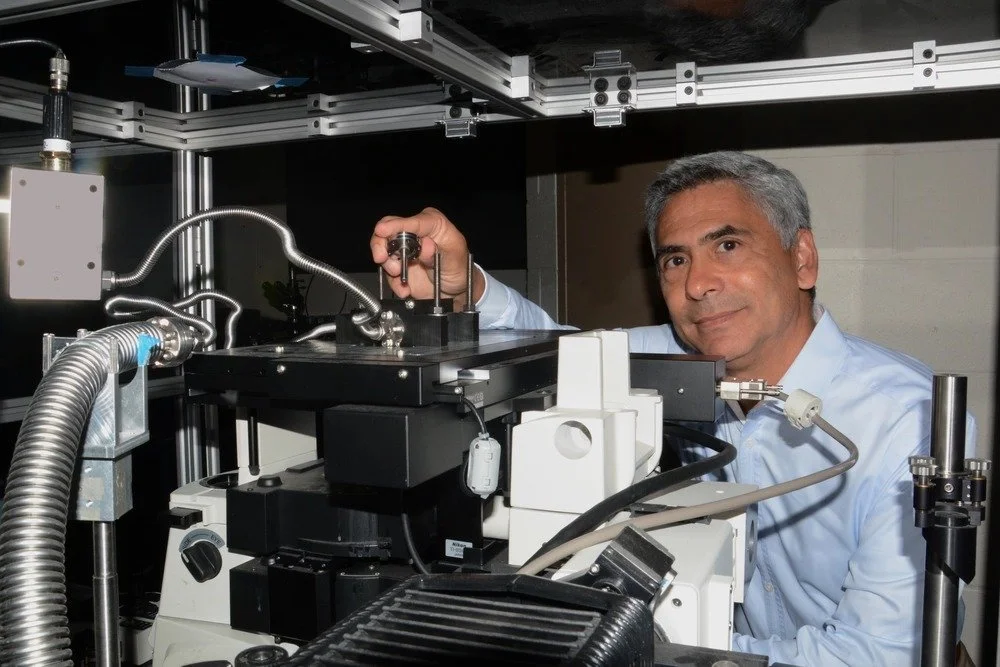
Photo: U.S. Air Force photo by David Dixon, via DVIDS. The appearance of U.S. Department of War visual information does not imply or constitute DoW endorsement.